
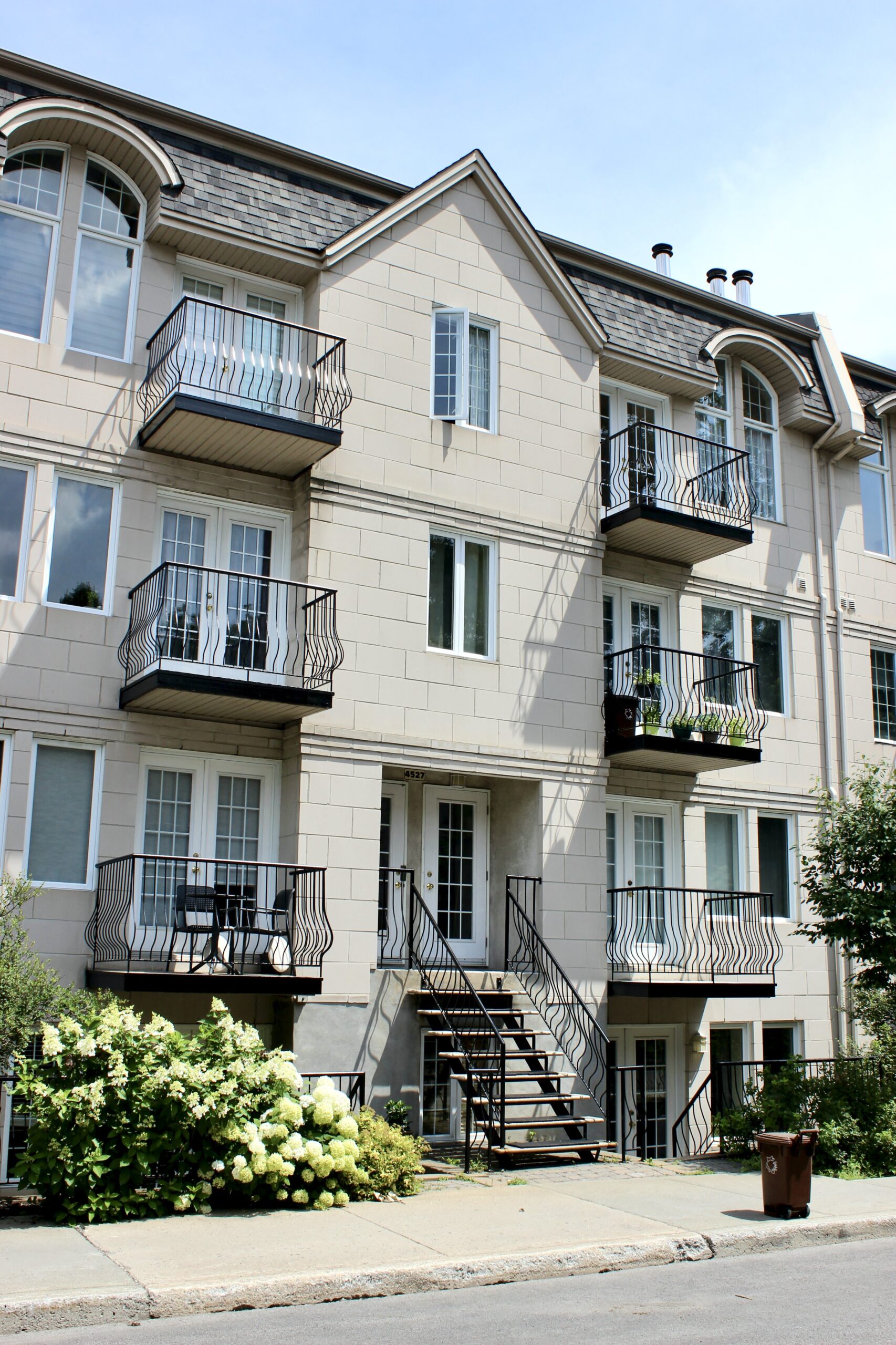
Wrought iron exterior staircases, balconies, railings and fences are part of the architectural landscape of many Quebec cities, including Montreal. These metal structures give buildings a distinctive style while serving an essential safety function. Over time, however, exposure to the elements, humidity and freeze-thaw cycles can cause the paint to deteriorate and rust to appear. When wrought iron starts showing signs of wear, many property owners wonder whether they should do the work themselves or hire a professional painter.
At first glance, the DIY option often seems cheaper. Yet restoring exterior metal surfaces requires technical preparation and the right products to ensure lasting protection against corrosion. Comparing the two approaches helps clarify the differences in cost, durability and quality of the result.
Why Does Wrought Iron Rust Over Time?
Wrought iron is a strong material, but it remains vulnerable to oxidation. When metal comes into contact with moisture and oxygen, a chemical reaction occurs and rust forms.
In Quebec’s climate, several factors speed up this process:
- humidity and rain
- freeze-thaw cycles
- road salt used in winter
- UV rays that weaken older coats of paint
Over time, these factors can cause cracks in the protective paint. Once the metal is exposed, rust can develop quickly. That’s why wrought iron maintenance and restoration play an essential role in extending the lifespan of exterior metal structures.
Painting Your Own Wrought Iron: An Often Limited Solution
In some cases, you can refresh the paint on a metal structure yourself. When the surface is still in good condition and rust is minimal, cleaning it and applying a new coat of paint can improve the look of the metal for a while. However, this approach often has its limits. Wrought iron staircases, balconies and railings usually have many intricate surfaces and hard-to-reach areas. Complete metal preparation can therefore be difficult to achieve without specialized equipment.
When rust is already well established, a simple coat of paint may only hide the problem temporarily instead of solving it. Corrosion can then keep spreading under the paint, leading to blistering and peeling after a few seasons.
The Risks of DIY on Wrought Iron Structures
The main DIY challenge is surface preparation. A lasting restoration generally requires the complete removal of rust and old coats of paint. When this step is skipped or done incompletely, the paint can lose its adhesion and deteriorate quickly. Using the wrong products is another common risk. Some paints designed for other surfaces lack the anti-corrosion properties needed to effectively protect exterior metal. Without a specialized primer, moisture can keep penetrating the surface and speed up corrosion.
These factors explain why many projects done without proper preparation have to be redone after only a few years.
The Importance of Sanding and Anti-Rust Primer
In professional wrought iron restoration, metal preparation is an essential step. Sanding or mechanical stripping removes old layers of paint and traces of rust to create a clean, stable surface. Once the metal is prepared, an anti-corrosion primer is applied. This protective layer acts as a barrier between the metal and moisture. It also improves the adhesion of the finish coat, resulting in a longer-lasting finish.
Without this step, even a quality paint can deteriorate quickly. The protection provided by a complete anti-corrosion system is therefore key to the longevity of exterior metal structures.
DIY vs Professional Painter: Comparison
The difference between a DIY job and a professional restoration lies mainly in surface preparation, the products used and the durability of the result.
| Criteria | DIY | Professional |
|---|---|---|
| Metal preparation | Limited | Complete preparation |
| Equipment | Basic tools | Specialized equipment |
| Anti-corrosion protection | Variable | Professional system |
| Finish | Variable result | Uniform finish |
| Durability | 1 to 3 years | 5 to 10 years or more |
A professional restoration aims above all to protect the metal structure against corrosion and the elements for the long term.
Cost Comparison: Short Term vs Long Term
The upfront cost is often the main argument in favour of DIY. However, the durability of the work should also be taken into account when assessing the real cost of a restoration.
| Option | Average cost | Durability |
|---|---|---|
| DIY | $200 to $800 | 1 to 3 years |
| Professional | $3,500 to $25,000 | 5 to 15 years |
Even though hiring a professional is a bigger investment upfront, it can reduce long-term costs by avoiding repeated restorations.
Typical Wrought Iron Restoration Cases
Some metal structures more often require a complete restoration because of their exposure to the elements. Exterior staircases are among the most affected, since they’re regularly exposed to salt and moisture during winter. Metal balconies are also vulnerable surfaces, as water can collect in certain areas and promote corrosion.
Railings and guardrails also need regular maintenance to preserve their strength and safety. Finally, wrought iron fences, constantly exposed to sun, rain and snow, often undergo a gradual breakdown of their protective paint.
Which Solution Is Right for Your Wrought Iron?
The choice between a DIY project and a professional restoration depends mainly on the condition of the surfaces and the scope of the work. Light maintenance can sometimes be done by the owner when the metal structure is still in good condition. However, when rust is already present or the structures are large, a professional restoration generally provides longer-lasting protection and a more uniform result.
An assessment of the surfaces can help determine the most suitable solution to extend the lifespan of your wrought iron structures.
FAQ: Wrought Iron Painting and Restoration
Can you paint wrought iron directly over rust?
Some paints can be applied over rust, but this solution is often temporary. For a lasting restoration, it’s best to remove the rust and apply an anti-corrosion primer.
How long does wrought iron paint last?
Its lifespan depends mainly on how the metal is prepared and the products used. A complete restoration can protect the structure for several years.
Should wrought iron be sanded before painting?
Yes. Sanding or stripping removes traces of rust and ensures the new coats of paint adhere properly.
How much does wrought iron restoration cost?
The cost depends on the size of the structures and their condition. Restoration projects generally range between $3,500 and $25,000.

What our customers say











No comment yet, add your voice below!